


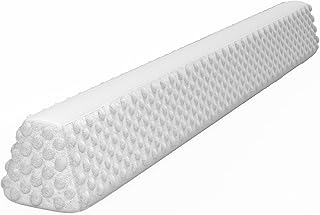
 Top pick
Product photo
Why It Helps
- After strokeTransfers can push the bed — a bumper reduces noise and protects drywall in tight rooms.
- Rest and energy management
Key Features
- Measure the edge, leg, or floor area first
- Prefer beveled mats in walkways caregivers share
- Replace padding when foam compresses or adhesive fails
Specifications
- Form factor
- Standard
- Tags
- padding, furniture, bedroom
- One-handed friendly
- —
- Warranty
- 1 Year Limited
Compare brands & models
type: headboard_wall_bumper_padSame kind of product — pick the brand/model that fits you best.
| Option | Brand · Model | Price | Find it |
|---|---|---|---|
| This page | Generic Headboard Wall Bumper Pad | $4–$20 |
Verified reviews · sample copy
8 across 1 sites- OT recommended this exact one Verified
Speech therapist suggested it and it has noticeably helped our daily practice.
R. Taylor 35Etsy search - Helped my mom feel safer Verified
After my stroke last spring this gave me real independence again. Setup took 5 minutes.
M. Patel 40Etsy search - Helped my mom feel safer
Holds up to daily use. Replaced a cheaper version that started wobbling.
Mike D. 7Etsy search
Keep exploring
You might also consider
A short list of alternatives selected for the same recovery use case — compare the differences before choosing where to buy.
Top pick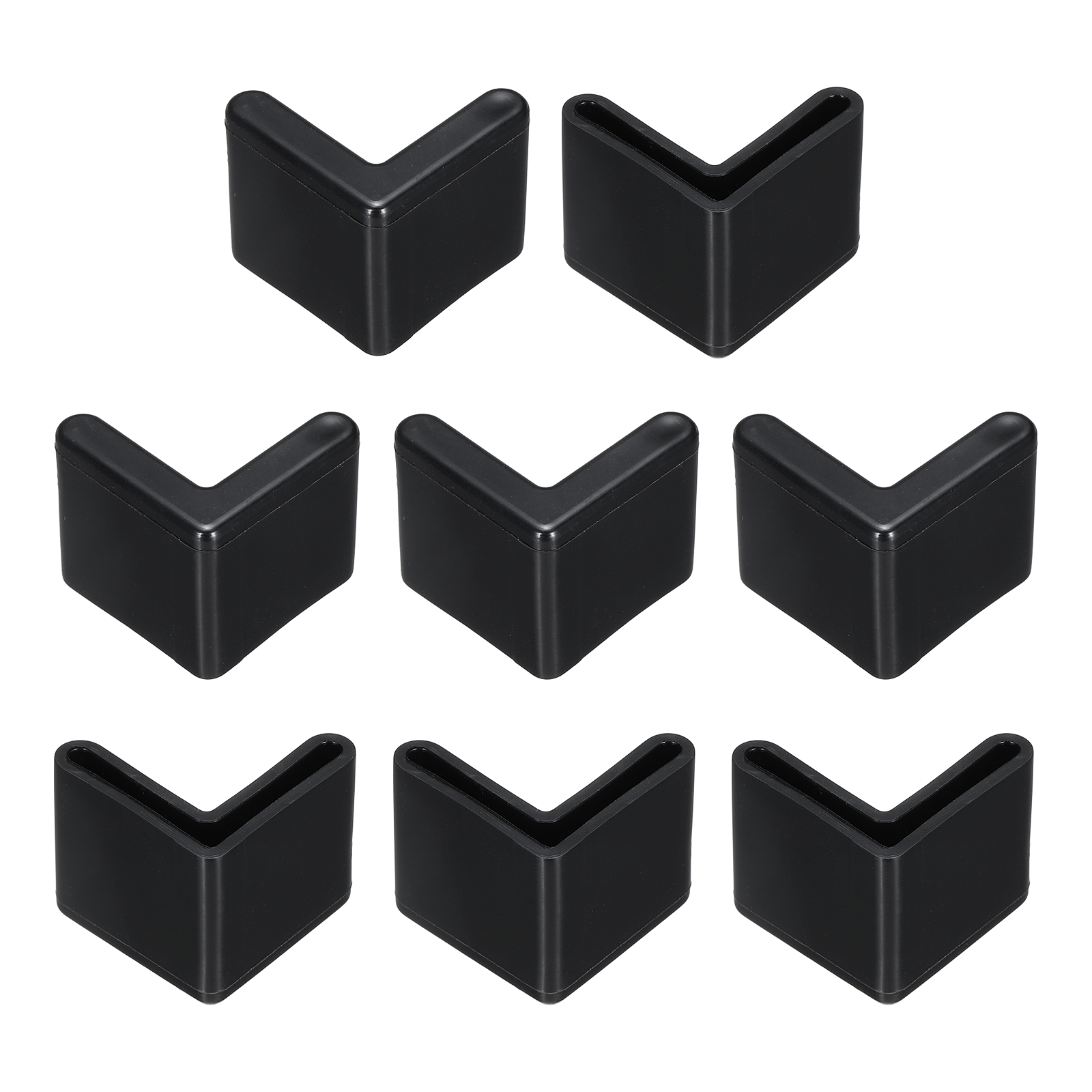
Bedroom & Sleep3 retailers
Bed Frame Foot Cap PaddingTypical range
$8–$20
Target
Same category
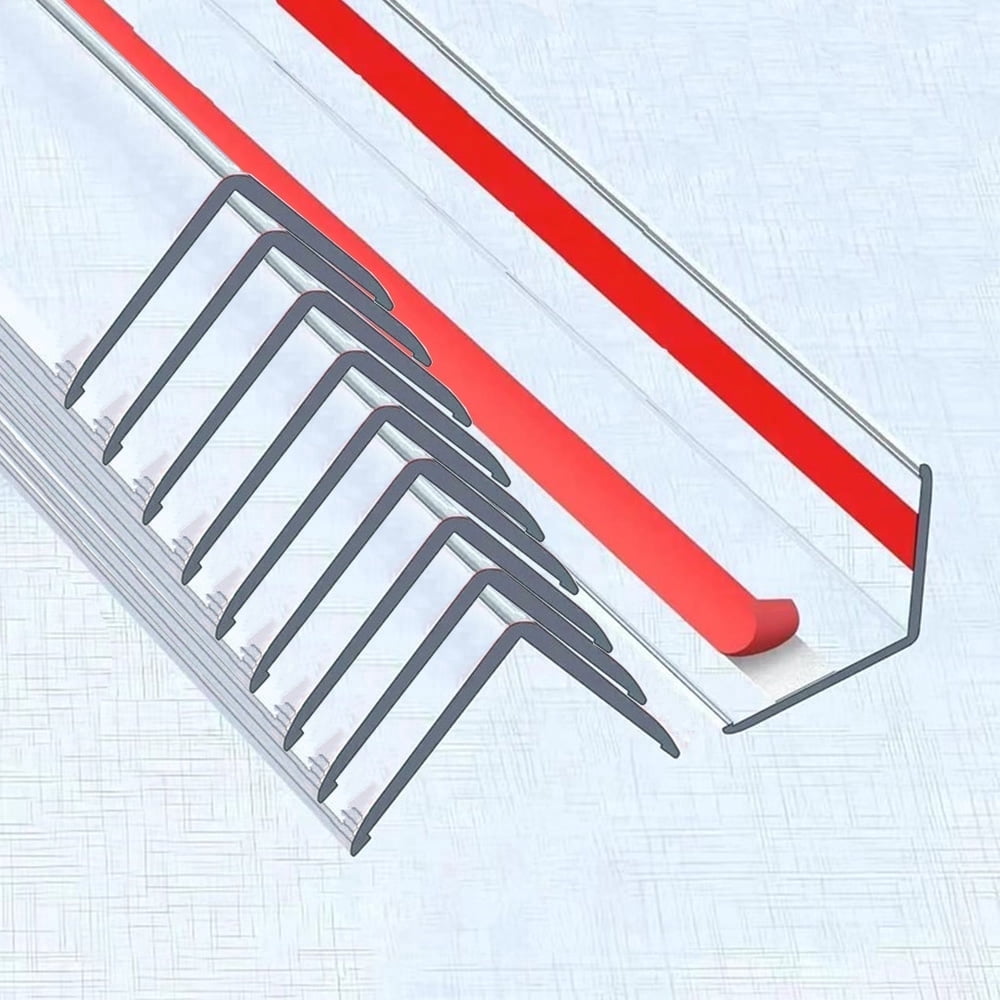
Bedroom & Sleep3 retailers
Furniture Corner Guard PadsTypical range
$8–$17
Target
Same category
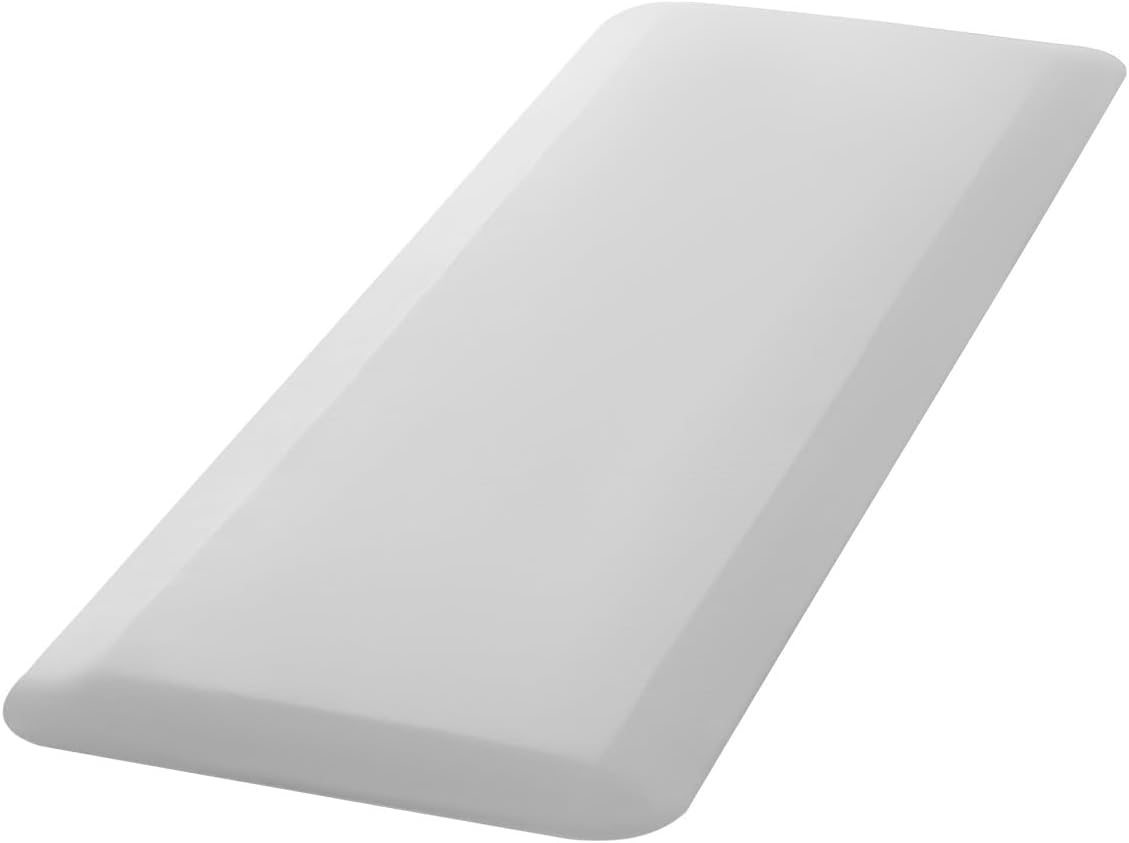 Top pick
Bedroom & Sleep3 retailers
Floor Landing Pad Beside BedTypical range
$40–$120
Target
Same category
More ways to browse
Find the right context for your recovery
Product details
What to know before you choose
Product overview
Transfers can push the bed — a bumper reduces noise and protects drywall in tight rooms. Padding between headboard and wall to stop banging and wall damage.
What's included
- Headboard Wall Bumper Pad
- User manual
- Basic tool kit (if applicable)
How to choose and use it
Choose by fit
- Measure the edge, leg, or floor area first
- Prefer beveled mats in walkways caregivers share
- Replace padding when foam compresses or adhesive fails
Start slowly
- 1. Check all parts against the manual.
- 2. Set up in the area you'll use most.
- 3. Practice with a caregiver nearby.
- 4. Clean and store as instructed.
Safety notes
Always follow the manufacturer's instructions. Stop use if the item feels unstable or causes pain.
For caregivers
Stand on the survivor's weak side during transfers and walks.
Pre-position items at waist height before starting any task to reduce reaching and falls.
Build the new equipment into an existing morning or bedtime routine.
Not sure if this is right for you?
Answer a few questions and get personalized recommendations.