


 Top pick
Product photo
Photo: by-sa · Judith E. Bell
Why It Helps
- After strokePlastic board edges dig into thighs during slides — a cover improves tolerance.
- Reducing fall risk at home
Key Features
- Measure the edge, leg, or floor area first
- Prefer beveled mats in walkways caregivers share
- Replace padding when foam compresses or adhesive fails
Specifications
- Weight capacity
- Up to 322 lbs
- Product weight
- 10 lbs
- Material
- Powder-coated steel
- Warranty
- Manufacturer-dependent
Compare brands & models
type: transfer_board_edge_cover_paddingSame kind of product — pick the brand/model that fits you best.
| Option | Brand · Model | Price | Find it |
|---|---|---|---|
| This page | Generic Transfer Board | $15–$300 |
Verified reviews · sample copy
8 across 1 sites- Helped my mom feel safer Verified
Great for the chronic-recovery stage when you still want to push gains.
A. Silva 7Amazon search - OT recommended this exact one Verified
After my stroke last spring this gave me real independence again. Setup took 5 minutes.
Linda H. 29Amazon search - OT recommended this exact one
Holds up to daily use. Replaced a cheaper version that started wobbling.
Sarah L. 43Amazon search
Keep exploring
You might also consider
A short list of alternatives selected for the same recovery use case — compare the differences before choosing where to buy.
Top pick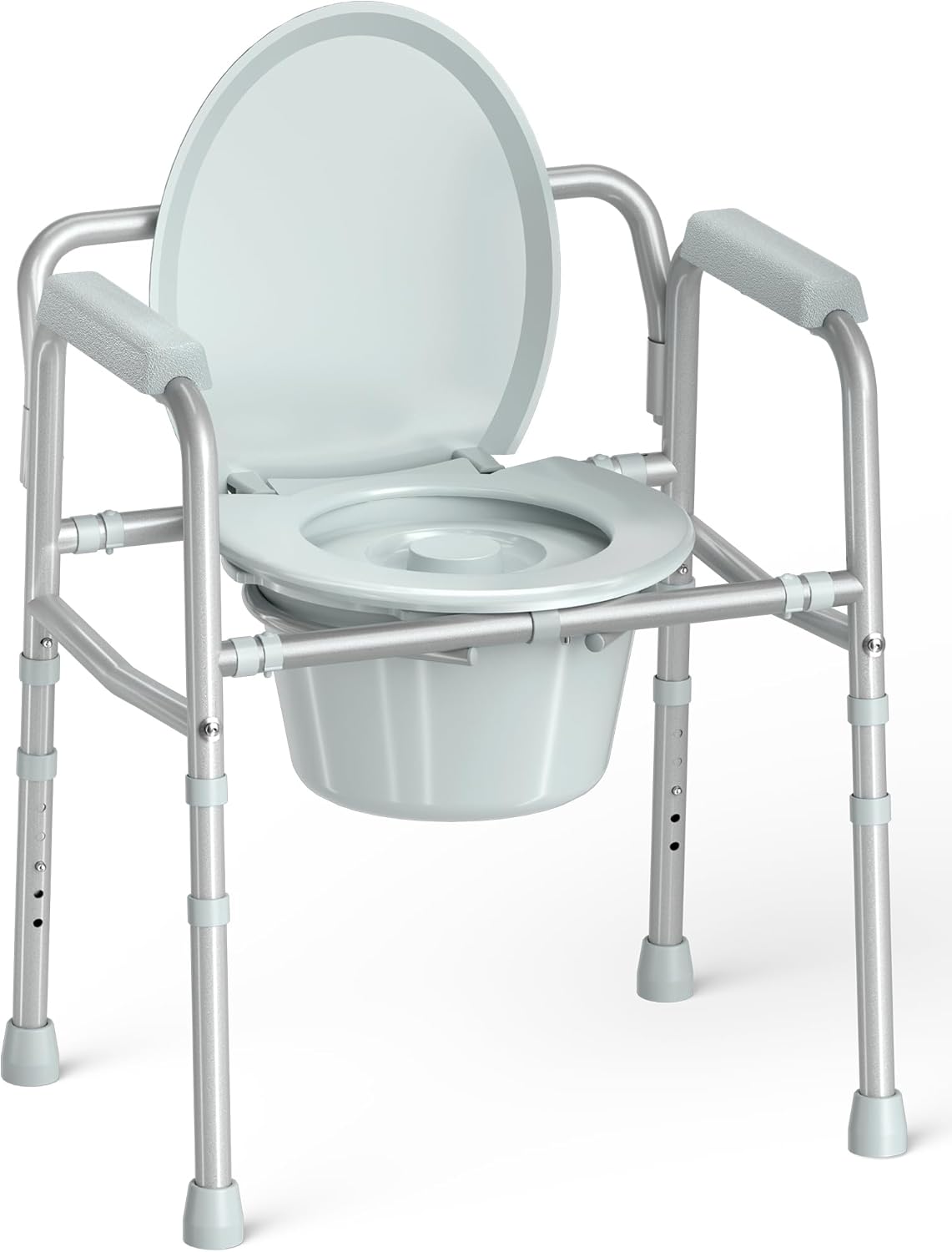 Top pick
Toileting3 retailers
3-in-1 Commode (Bedside, Over-Toilet, Shower)Typical range
$30–$140
Target
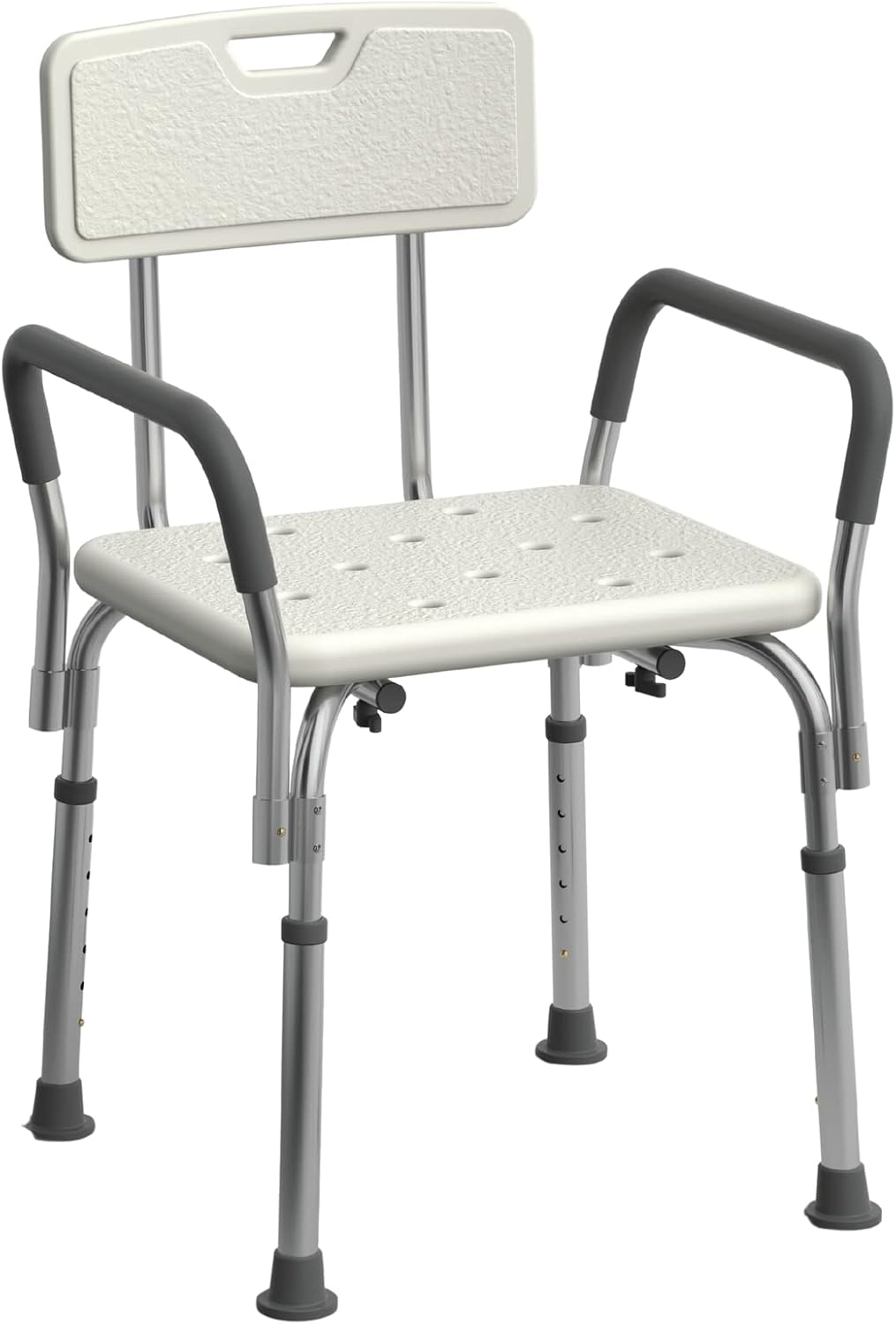 Top pick
 Top pick
More ways to browse
Find the right context for your recovery
Product details
What to know before you choose
Product overview
Plastic board edges dig into thighs during slides — a cover improves tolerance. A sturdy board for transferring individuals between surfaces.
What's included
- Transfer Board
- User manual
- Basic tool kit (if applicable)
How to choose and use it
Choose by fit
- Measure the edge, leg, or floor area first
- Prefer beveled mats in walkways caregivers share
- Replace padding when foam compresses or adhesive fails
Start slowly
- 1. Check all parts against the manual.
- 2. Set up in the area you'll use most.
- 3. Practice with a caregiver nearby.
- 4. Clean and store as instructed.
Safety notes
Always follow the manufacturer's instructions. Stop use if the item feels unstable or causes pain.
For caregivers
Stand on the survivor's weak side during transfers and walks.
Pre-position items at waist height before starting any task to reduce reaching and falls.
Build the new equipment into an existing morning or bedtime routine.
Not sure if this is right for you?
Answer a few questions and get personalized recommendations.